Another trek – would this time take us to Wisconsin Rapids and the area roads that are now known as The Cranberry Highway.
For this excursion, we left the suburbs of Chicago just before 2:00 PM on a Friday afternoon and headed north on Interstate 90-94. Just north of Madison, Wisconsin we turned onto State Route 39/51 and continued north to Route 73, where we turned west to route 13 and followed it into the town of Wisconsin Rapids, arriving just past 5:00pm.
(This page may contain affiliate links, which means I may earn a small commission if you click through and make a purchase. You can read our Affiliate Disclosure here.)
Touring a Wisconsin Paper Mill
Our plan was to start with a tour of a Wisconsin Paper Mill. I was not quite sure what to expect, but I had seen the signs for Rapids on every trip north I had ever taken. Prior to this trip, I never had a reason to actually go there. Entering the city limits, the smokestacks of the paper mills were the first sight to attract my attention. Previously American-owned Consolidated Paper, the plant was sold to a Finnish company and became Stora Enso North America in 2000. (Note: Late in 2007, the plant was sold to NewPage Corporation, based in Miamisburg, Ohio). We were scheduled to take a tour of the plant on the following morning.
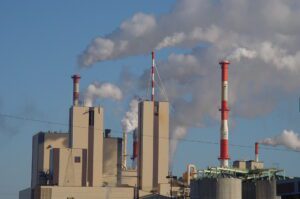
Unfortunately, when we arrived, we would discover that a major equipment problem had shut down all of the paper-making operations and we would see very little of the process which produces, globally, about 15 million tons of paper products and generates sales of more than $15 Billion annually.
I viewed the shut-down as somewhat of a blessing, since the entire operation is now so automated that it appeared that very few employees were being used and all we saw were giant rolls of paper that were moved about by robotic handlers. There would not be very much to see…
Dilemma
The paper mill ownership change seems to have presented the city of Rapids with a dilemma. My sense is that the city is one in transition – from a thriving metropolis mostly financed by a successful paper mill with thousands of employees, to a city and region reeling from the loss of hundreds (perhaps thousands?) of jobs in a time of unprecedented economic downturn and struggling to maintain its dignity and identity.
Rapids is a city split in two by the majestic Wisconsin River, wondering on which side the recovery should occur. It is, however, a very pretty setting and a place that entices one to slow down and smell the coffee. The people we met were very accommodating, down to earth, and easy to talk with. Tourism is not currently much of an industry here… but it probably should be.
I hear that walleyes are plentiful in the river and deer abound in the area. There is plenty to see and do in the Rapids area and we barely scratched the surface during our short visit.
Hotel Mead in Wisconsin Rapids
Our first stop was actually the Hotel Mead, where we had reservations waiting. It is a beautiful and modern venue with all the bells and whistles, including two excellent restaurants and a great bar (more on those later).
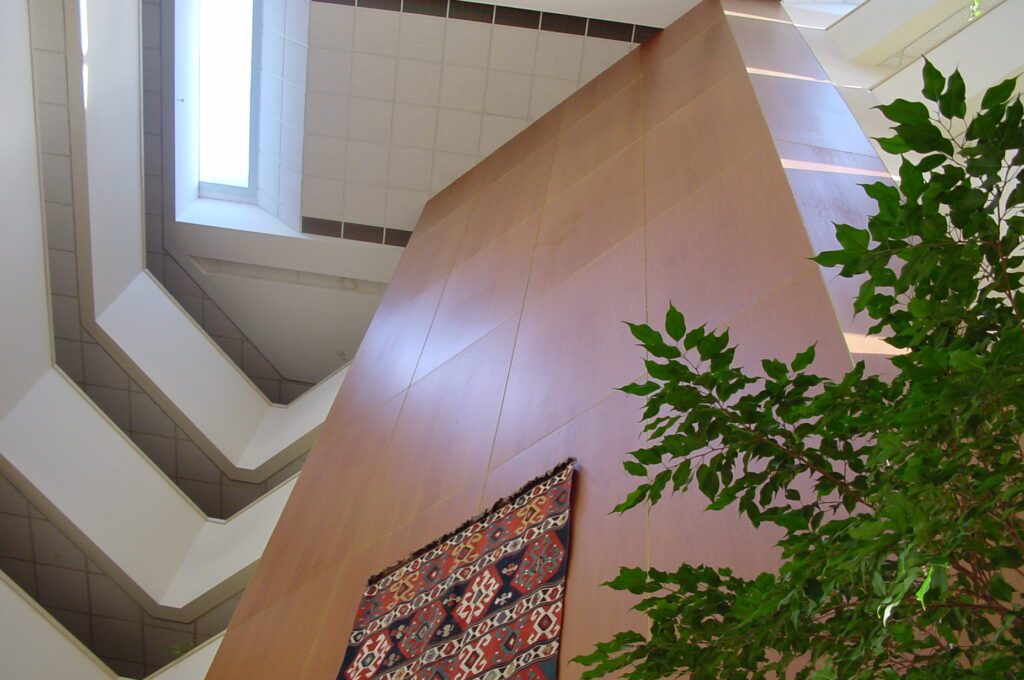
The Mead’s own website sums it up very well: it is “central Wisconsin’s premier lodging destination — and the area’s only full-service property…known for our accommodating service, lavish amenities and attention to detail, where guests applaud a pampered stay.” As far as we could tell, the Mead does not embellish upon the truth. Our room was top notch and the whole place was as clean as a whistle from top to bottom. I can recommend it with absolutely no hesitation.
Homestead Supper and Country Club
We were hungry and thought about trying one of the two restaurants at the hotel. But we felt like exploring (Heidi was somewhat familiar with the area – I was not) and found ourselves just west of town at what appeared to be a local favorite: the Homestead Supper and Country Club.
Accompanying a golf course, it was a converted old barn, with the bar on the lower level and the restaurant upstairs. A small but ample salad bar and tasty fish fry with American fried potatoes (wedges spiced with BBQ seasonings) were all that I needed after a long day, and I was as happy as a Holstein at the feeding trough. The waitress was friendly, and the food was good and reasonably priced. What more could I ask?? We drove back to the hotel, headed to our room and were asleep before our heads hit the pillow.
Breakfast at Herschleb’s
On Saturday morning, Lonnie Selje – the Executive Director for the Rapids area Convention and Visitors Bureau – joined us for breakfast at Herschleb’s, sort of a combination diner and drive-in. We enjoyed a simple but marvelously well-cooked breakfast and some great conversation with the owner Tom Brehmer.
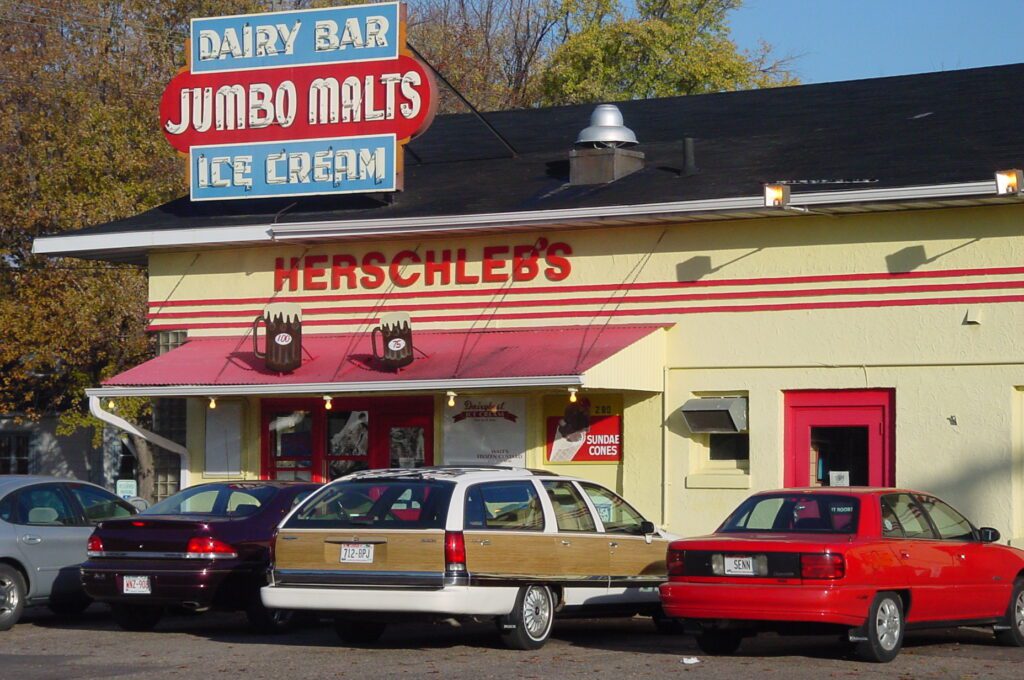
Tom is a 3rd generation owner who knows more history than the local museum and takes great pride in making the best homemade ice cream anywhere. His specialty is cranberry ice cream – would you expect it to be any other kind?? Herschleb’s reminds me of the places I used to frequent as a kid. Were I to live any closer to Rapids, I’d eat breakfast there every day. (On yet another sad note and cogent comment on the times, Herschleb’s Ice Cream, founded in 1939, closed its doors permanently in 2006)
After breakfast, Lonnie took us for a short tour of the town and some beautiful and well-kept homes, shared some history with us, then showed us the way to the paper mill for our tour.
Making Cheese in Rudolph, WI
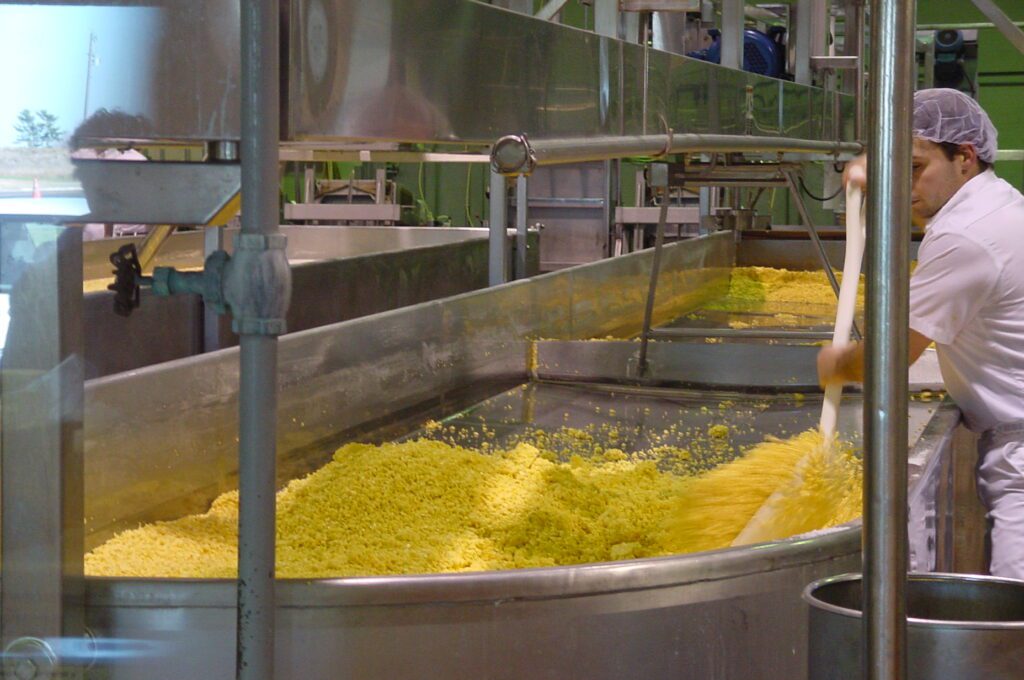
After the tour, we headed north a few miles to visit the Wisconsin Dairy State Cheese Co. in Rudolph, Wisconsin. Cheese making is such a cool thing to watch. And for a not-so-country boy like me, it never ceases to amaze me how it is done. Of course, the greatest thing is the fresh cheese curds that squeak as you chew them! We walked out with our purchase of about 12 pounds of fresh cheese of varying kinds. And of course, a big bag of curds for immediate munching.
Join us on our final stop of our excursion: the Cranberry Marshes owned by Phil & Mary Brazeau . This is one adventure I could enjoy over, and over, and… Continue Reading